May 4, 2026
The modern industrial landscape relies heavily on precision, power, and the ability to move monumental loads with absolute safety. Across the globe, heavy lifting is a fundamental requirement that defines the scale and ambition of our infrastructure, manufacturing, and energy sectors. For many organizations, the capital expenditure required to purchase, maintain, and certify heavy lifting machinery is prohibitively high and operationally inefficient. Consequently, the reliance on specialized equipment service providers has become the strategic standard. By leveraging flexible equipment solutions, companies across diverse sectors can tackle massive projects without the burden of long-term asset ownership, allowing them to remain agile and cost-effective. This article examines the various sectors that depend on these flexible lifting solutions and explores why this model is increasingly preferred by market leaders.
1. Supporting Construction and Infrastructure Development
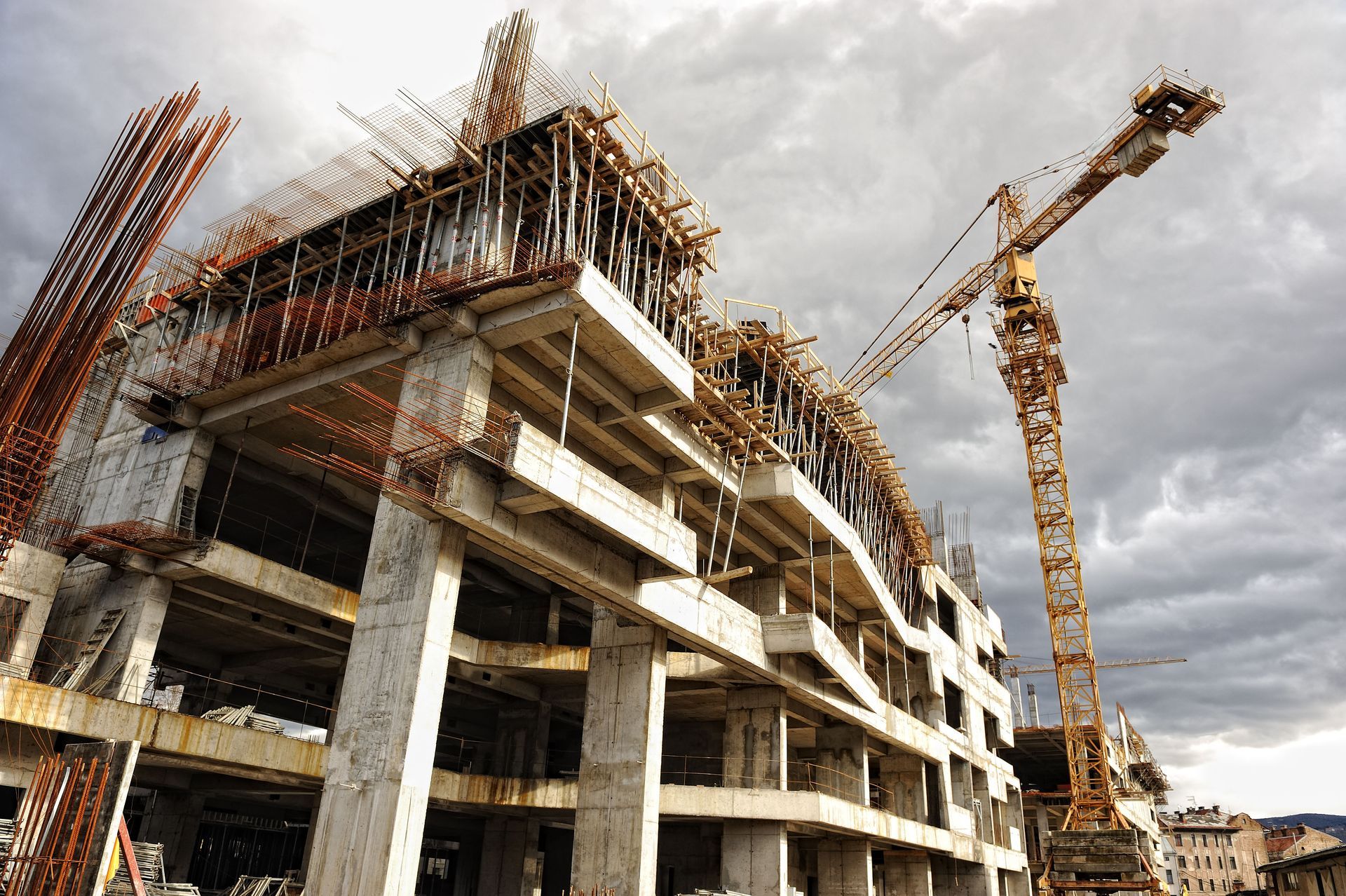
The construction industry is perhaps the most visible beneficiary of heavy lifting services. Whether constructing high-rise skyscrapers in dense urban centers or managing sprawling civil engineering projects like bridges and tunnels, the demand for precision lifting is constant. Because projects often have specific timelines and varying lifting requirements, ranging from delicate placement of structural steel to the bulk movement of concrete precast components, access to a diverse fleet is essential. By opting for crane rentals, site managers can bring in exactly the capacity and reach they need for a specific phase of development, optimizing both budget and job site logistics.
The sheer economic scale of these operations is reflective of the global demand for infrastructure improvement. According to MarketsandMarkets, the global crane rental market is projected to grow at a 5.1% compound annual growth rate (CAGR) from 2024 to 2029, reaching $64.8 billion by 2029. This growth signifies that businesses worldwide are recognizing the necessity of high-capacity lifting machinery to meet the increasing pace of urbanization and national infrastructure renewal. By utilizing professional lifting services, contractors ensure they are equipped with the latest, most reliable machinery, which reduces downtime and keeps complex schedules on track.
2. Facilitating Power and Energy Sector Operations
The energy industry, particularly the renewable sector, represents a major frontier for heavy-lifting requirements. The construction and maintenance of wind turbines, for instance, involve transporting and lifting massive blades and heavy nacelles hundreds of feet into the air. These components are not only incredibly heavy but also fragile and sensitive to wind conditions during the lift. Specialized lifting services provide the engineering expertise and high-capacity machinery required to perform these delicate maneuvers safely. Without access to these sophisticated lifting solutions, the transition to green energy would be significantly slower and fraught with logistical bottlenecks.
In addition to renewables, traditional energy fields like petrochemical plants and power generation facilities also rely on heavy machinery for scheduled shutdowns and major repairs. During these critical maintenance periods, large-scale components like boilers, heat exchangers, and generators must be removed and replaced within extremely tight windows. Utilizing crane rentals allows energy companies to rapidly deploy the necessary lifting power during these peak activity times without maintaining a permanent fleet that would sit idle for the majority of the year. This approach maximizes operational efficiency and ensures that energy production remains consistent and reliable for the communities they serve.
3. Enhancing Industrial Manufacturing and Logistics
Industrial manufacturing facilities are often faced with the challenge of installing massive machinery inside tight factory footprints or moving heavy equipment between production lines. This process requires not only immense lifting power but also extreme control, as floor space is limited and existing production machinery must be protected. Specialized rigging and lifting experts provide the skill to maneuver heavy assets through challenging indoor environments. By offloading these complex tasks to rental specialists, manufacturers can focus on their core business of production while ensuring that equipment upgrades and facility expansions occur safely and quickly.
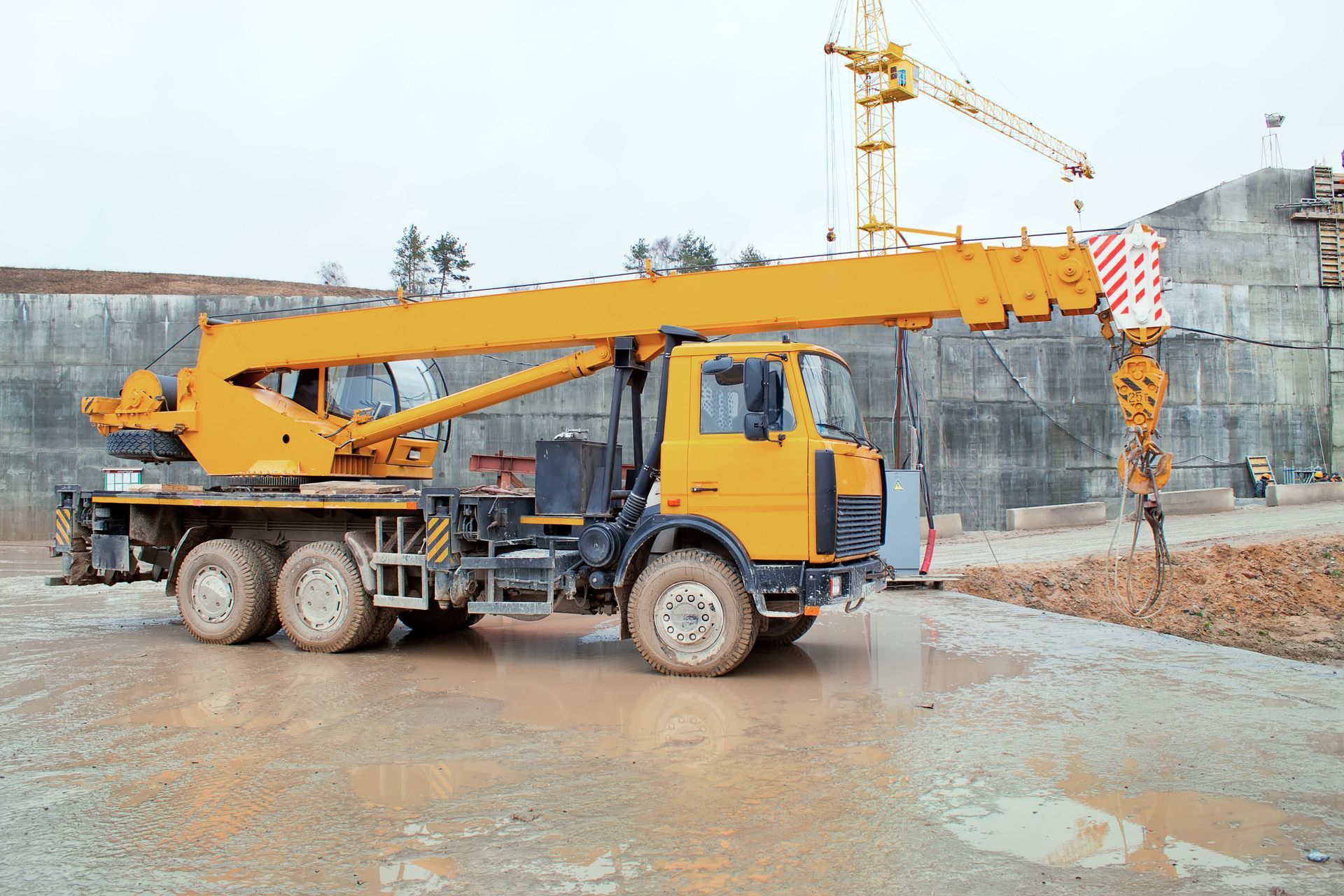
Beyond the factory floor, the logistics of heavy manufacturing often involve the transport and installation of large modular units. Whether it is industrial furnaces, assembly line robotics, or heavy steel fabrication, the ability to lift, position, and place these items is critical. Relying on professional crane rentals provides companies with access to a variety of machinery configurations, including all-terrain, rough-terrain, and crawler models, ensuring that every project is matched with the right tool for the terrain and the weight. This precision-based approach minimizes risk and ensures that manufacturing installations proceed according to plan, reducing the potential danger of damage to expensive industrial hardware.
4. Advancing Telecommunications and Utility Work
The telecommunications industry relies heavily on the ability to reach high elevations to install, service, and repair communication towers and data infrastructure. As connectivity demands continue to surge, the need for taller and more robust towers has increased, requiring equipment that can reach significant heights while maintaining structural stability. Specialized lifting teams are frequently dispatched to remote or difficult-to-access locations, ensuring that critical utility networks remain functional. The agility provided by rental providers is essential for utility companies that need to respond quickly to emergency repairs following storm damage or system failures.
For utility providers tasked with the upkeep of power grids and high-voltage transmission lines, the ability to lift heavy transformers and utility poles is vital. These projects are often located in rural or rugged terrain, far removed from standard access points. Accessing crane rentals that are specifically suited for off-road environments allows utility crews to navigate difficult terrain to reach their objective. By leveraging these flexible and capable equipment fleets, utility organizations maintain the uptime of essential services, ensuring that the public has consistent access to electricity and communications infrastructure, even in the most challenging conditions.
5. Optimizing Maritime and Port Logistics
Port operations are hubs of massive activity where the efficient movement of containers and heavy freight is the lifeblood of international commerce. While ports often own their own permanent ship-to-shore equipment, there is a recurring need for temporary heavy lifting power when it comes to repairs, vessel maintenance, or the expansion of port facilities. During these times, the ability to bring in extra equipment to manage temporary spikes in traffic or specific overhaul projects is incredibly valuable. This surge capacity allows port operators to maintain high throughput and minimize vessel wait times, even during major infrastructure improvements.
The maritime industry also benefits from lifting services during the fabrication and repair of ships and offshore platforms. Heavy steel sections must be lifted with extreme accuracy to ensure correct welding and assembly. The specialized expertise required to operate this heavy machinery in a marine environment is a niche service provided by the best rental firms. By utilizing crane rentals, shipyards can tackle massive ship-building projects or urgent repair jobs without being constrained by the limits of their internal asset inventory. This ensures that the global supply chain remains moving and that marine vessels return to service as quickly as possible.
The widespread utilization of specialized lifting services demonstrates how essential these machines are to the functioning of modern society. From the towering heights of new skyscrapers to the delicate assembly of wind turbines and the urgent maintenance of our energy grids, these machines are the backbone of industrial progress. The market’s continued expansion reflects the reality that for most sectors, renting is not merely an alternative to ownership; it is a strategic necessity that provides access to the latest technology, expert operators, and the agility to scale operations up or down as project demands dictate.
By prioritizing professional partnerships and reliable lifting equipment, organizations across every major industry can achieve superior safety and efficiency outcomes. The flexibility inherent in the current market landscape ensures that even the most ambitious projects remain viable and achievable. As we look toward the future, the reliance on crane rentals will undoubtedly remain a cornerstone of industrial excellence, driving growth and enabling the development of the infrastructure and technologies that will define our world for generations to come. If you are seeking crane rentals in the Dallas, TX area, contact the professionals at City Sign Services, Inc., today.